
Where Every Step Finds Its Beat
Conductors of the Crossing
Steps, Gazes, and Unscripted Improvisations
Eye contact, gestures, and courteous pauses
How crowds form lanes without talking

Stagecraft at the Curb
Measuring the Applause

Vision Zero as the score we refuse to improvise
Cameras that count near-misses, not just crashes
Scenes from the Crosswalk
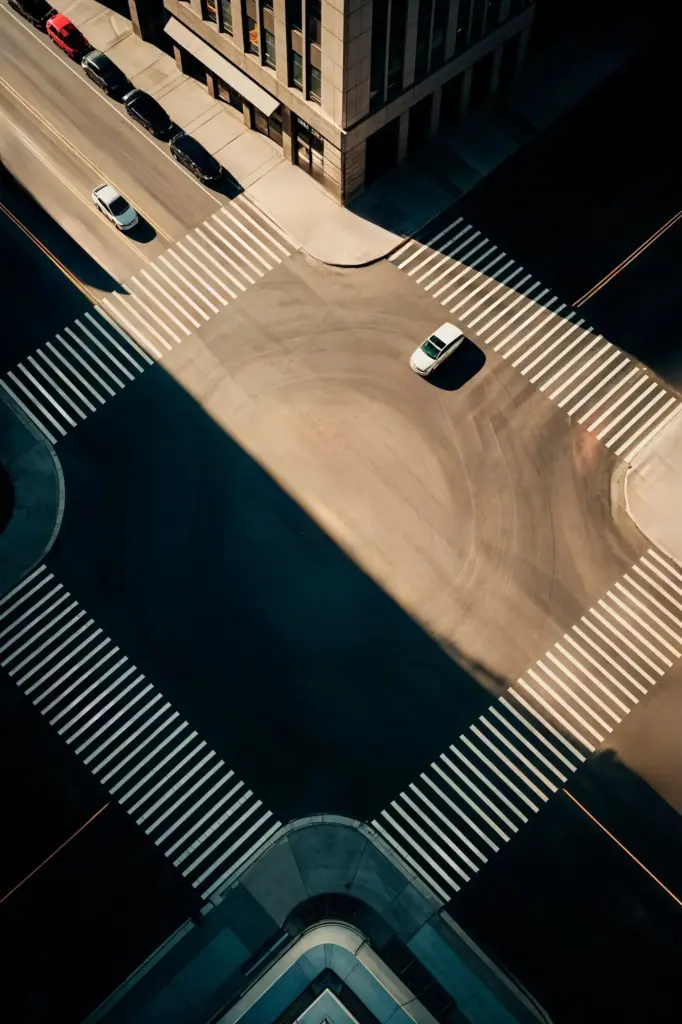
Shibuya’s diagonal thunder as a living lesson
Watching crowds surge across multiple directions feels like witnessing a city inhale and exhale. Despite the energy, conflict is rare because rules are clear and signals decisive. The spectacle reframes walking as celebration, not obligation. Visitors carry home a memory that influences their expectations back where they live, strengthening the case for generous timing and unmistakable markings in their own neighborhoods.
Bogotá’s mimes and the power of playful guidance
Public performance once nudged drivers and walkers toward courteous behavior through humor and surprise. Laughter disarmed defensiveness, and habits shifted simply because attention was captured. The lesson endures: culture and design can partner, using delight to amplify safety. A smile, a gesture, a cleverly painted corner—together they coach better choices without lectures, tickets, or sterile command-and-control.
Join the Ensemble
Audit your corner like a choreographer
Stand back and watch entrances, exits, and hesitations. Time the walk phase, count turning vehicles, photograph blocked sightlines, and note puddles or ice. Invite elders, teens, and parents to weigh in. This living score reveals what the corner needs—perhaps a head start, brighter stripes, a refuge island—so the next rehearsal feels confident rather than improvised under pressure.
Adaptive waves and respectful privacy
Sensors and computer vision can tune signals to actual demand while protecting identities through on-device processing, limited retention, and tight safeguards. Data can be precise without being invasive. When technology listens for patterns instead of personal details, it earns trust, inviting a future where crossings adapt gently to lull or surge and keep people moving safely without anxiety.
All Rights Reserved.