

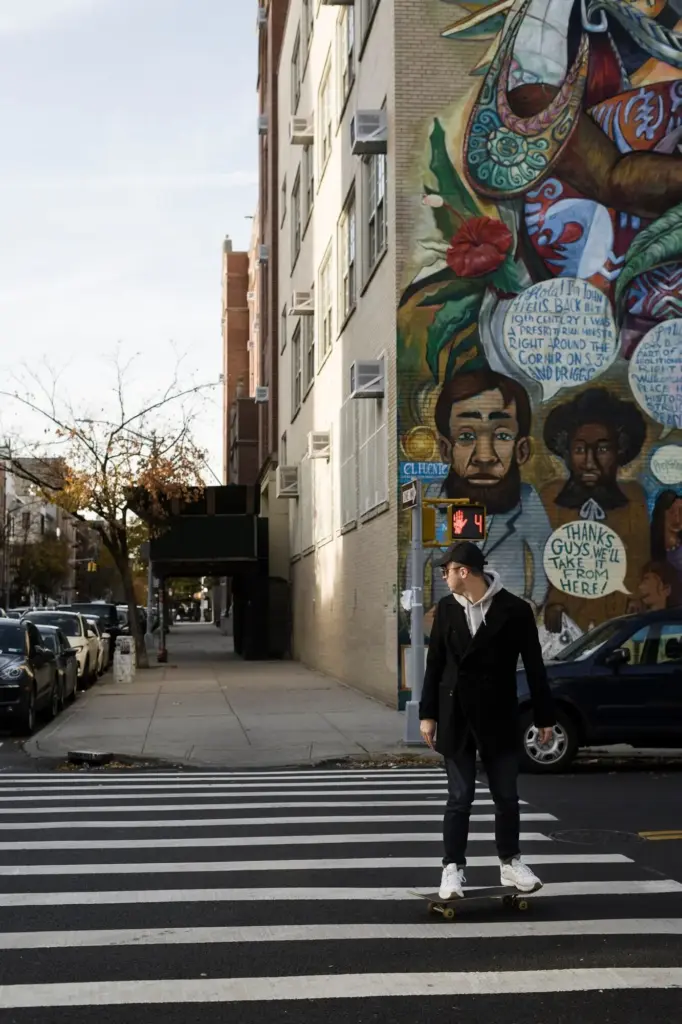
Stand near a corner café and notice how stories spiral from the door: the espresso hiss harmonizing with a bus brake sigh, the nod between a barista and a regular, the hurried laugh of someone late. Corners are natural theaters where routes intersect and intentions gently collide. Try counting the micro-moments in five minutes. Write down the scent that surprised you first. Share a favorite corner memory with us, the one that keeps brewing long after the cup is gone.
Watch the choreography emerge at the zebra stripes: a cyclist yields with a gloved hand, shoelaces slap, a dog hesitates at the curb, a child hops, a courier threads the gap. The signal beeps, bodies interpret, and a fragile agreement carries everyone through. Study the rhythm from green to red and back. What changes when rain taps the metronome, or wind quickens minds? Capture a ten-second clip or a sketch of foot patterns, and tell us what movement taught you today.
Windows keep a public diary in reflections and hints. By day, they stitch sky into storefronts; by night, they turn rooms into lanterns. Look for overlapping realities where faces float with clouds, signs blur into halos, and your own silhouette becomes a witness. Try a reflection inventory on your next walk, noting three unexpected layers. Post a snapshot or paragraph describing one reflection that changed your mood, and let others borrow that mirror for their own wandering eyes.
Waiting creates unexpected kinship among strangers. Shoulders ease, headphones slip, someone checks the sky for news. In that pause, a micro-community forms, then dissolves at the chirp of permission. Try noticing how posture changes when waiting stretches a beat longer. Count the colors you see in clothing on a single cycle. Share one observation about kindness at a crosswalk, like a hand steadying a stroller or a smile traded for patience, and help seed more gentle pauses.
A generous bench understands conversation, solitude, and knees of different heights. Its backrest catches the spine kindly, its placement frames people-watching without voyeurism, and a nearby tree writes moving shade. Try timing how long you naturally sit when a bench truly fits. Note armrest spacing, seat depth, and a view that rewards a second glance. Share a sketch or quick measurement guide you use to judge comfort, and recommend one great spot where stories collect without effort.
A caring crosswalk aligns with where feet actually want to travel, shortens exposure, and speaks clearly across languages with markings, texture, and sound. Count the seconds available for someone carrying groceries or guiding a child. Notice tactile paving, curb radii, and refuge islands that make crossings humane. Draft a short wish list for your nearest intersection. Share your ideas, from daylighting corners to tightening turn radii, and inspire neighbors to request small fixes that yield large daily kindnesses.
The best directions feel like a friend pointing, not a lecture. Colors cue districts, icons reinforce memory, and sightlines stitch landmarks together. Test a route without your phone and listen to how the street speaks. Which corner reassured you, and which confused your feet. Consider bold maps at eye height, breadcrumb signs, and ground markings that greet children first. Share a sketch of a friendlier sign or a before and after of simplified arrows, and help others feel confidently curious.

Set a timer for five minutes and gather three sensory details, two movements, and one feeling. No pressure to be poetic; accuracy invites magic. Over time these notes seed deeper seeing and kinder choices about routes and rests. Share one field note in the comments today. Encourage a friend to try the same on their block, then compare lists. You will both carry home a small souvenir of attention, and a habit that brightens tomorrow’s walk.

Choose a constraint that sparks play: only shadows, only corners, only yellow. Shoot ten frames within one block, then pick a favorite and explain why it surprised you. Constraints sharpen wonder and help you notice ignored edges. Post your set with a sentence about the constraint that worked best, and invite others to try it tonight. Tag your city so distant eyes can stroll with you. Return next week with a new constraint and a refreshed gaze.
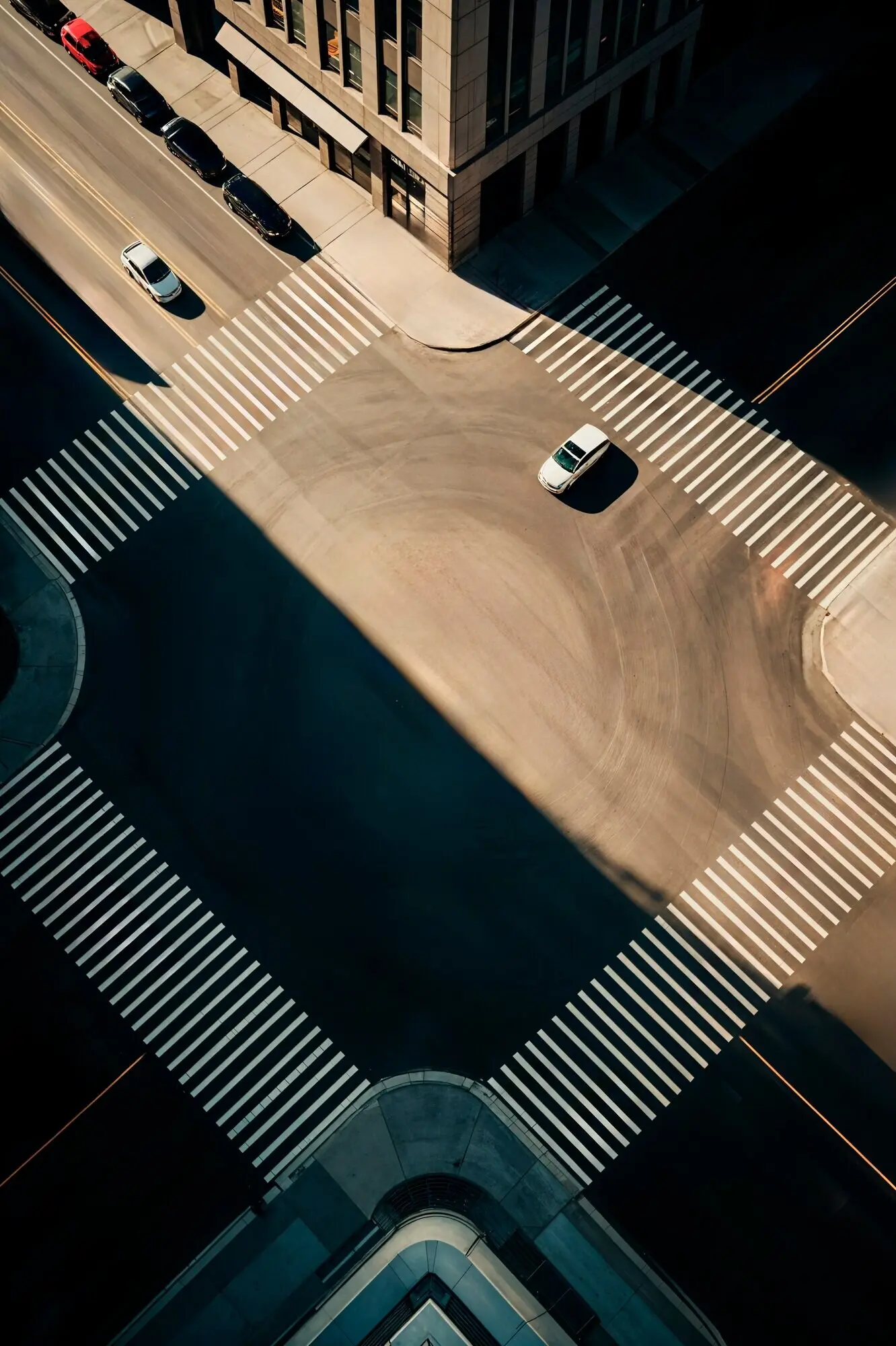
Close your eyes for thirty seconds at a safe spot, then draw a quick map of what you hear: near, far, left, right, above, below. Catalog textures like bicycle chains, fountain hush, or crosswalk chirps. Sound reveals distances and care, and sometimes neglect that needs a neighborly nudge. Share your soundmap photo or a short audio clip. Tell us what sound you would protect and what you would quiet, gently guiding improvements while honoring the city’s living orchestra.
All Rights Reserved.